Education & awareness
Workshops, seminars and community outreach that replace myth with fact, reduce the stigma around mental illness, and make it normal to talk about mental health out loud.
 Hands of Hope
Suicide prevention · Mental health · Community support
Hands of Hope works to prevent suicide and strengthen mental health in Springfield — through education, honest conversation and support that reaches people long before a crisis does. No one faces it alone.
Suicide is preventable. We work upstream — teaching people the warning signs, making it ordinary to ask for help, and standing with families through the hardest days.
Workshops, seminars and community outreach that replace myth with fact, reduce the stigma around mental illness, and make it normal to talk about mental health out loud.
Support groups for people in emotional distress and for families affected by suicide — plus direct connection to mental health professionals and local resources.
We train community members in suicide prevention, crisis response and mental health first aid, and advocate for better access to quality mental health care for all.
You, or someone worried about you. By phone, by text, or through our Get help form. No diagnosis, no referral and no need for the right words.
Within 72 hours a member of our team listens — without judgment and without rushing you. If tonight is the problem, the 988 Lifeline answers 24/7.
A mental health professional, a support group, a community resource — or all three, matched to what you actually need.
Recovery is not a single appointment. We check in, and the door stays open for as long as you want it open.
Most people who are struggling give some sign of it. You don't have to be a professional to notice, and you don't have to have the answer — you only have to ask, and stay.
Talking about being a burden, being trapped, having no reason to keep going, or saying goodbye in a way that feels final.
Withdrawing from people, giving away things that matter to them, sleeping far more or far less, drinking or using more than usual.
A heavy, prolonged low — or a sudden calm after one. Agitation, rage, or a flatness that isn't like them.
A loss, a diagnosis, a breakup, a job gone, humiliation. Especially where there's been a previous attempt.
“Are you thinking about suicide?” Plainly, in those words. Asking does not plant the idea — research is consistent on this. It gives someone permission to say yes.
Don't argue, don't rush to solutions, don't tell them what they have to be grateful for. Being heard without judgment is the thing that helps.
Ask whether they have a plan or a means to hand, and help put distance between them and it. Time and distance save lives.
Call or text 988 together. Help them make an appointment. Go with them if you can — a warm handover beats a phone number on a napkin.
Check back in a day or two, and again after that. Staying in contact measurably reduces risk. It is the easiest step and the one most often skipped.
Asking someone directly about suicide does not put the idea in their head. That belief keeps people silent, and silence is what the risk feeds on. Ask the question.
Get trained with usHands of Hope Charity is a Springfield organization built by people from the community it serves. We work where prevention actually happens — in schools, workplaces, clinics and congregations — so that the people most likely to notice someone struggling know what to say next.
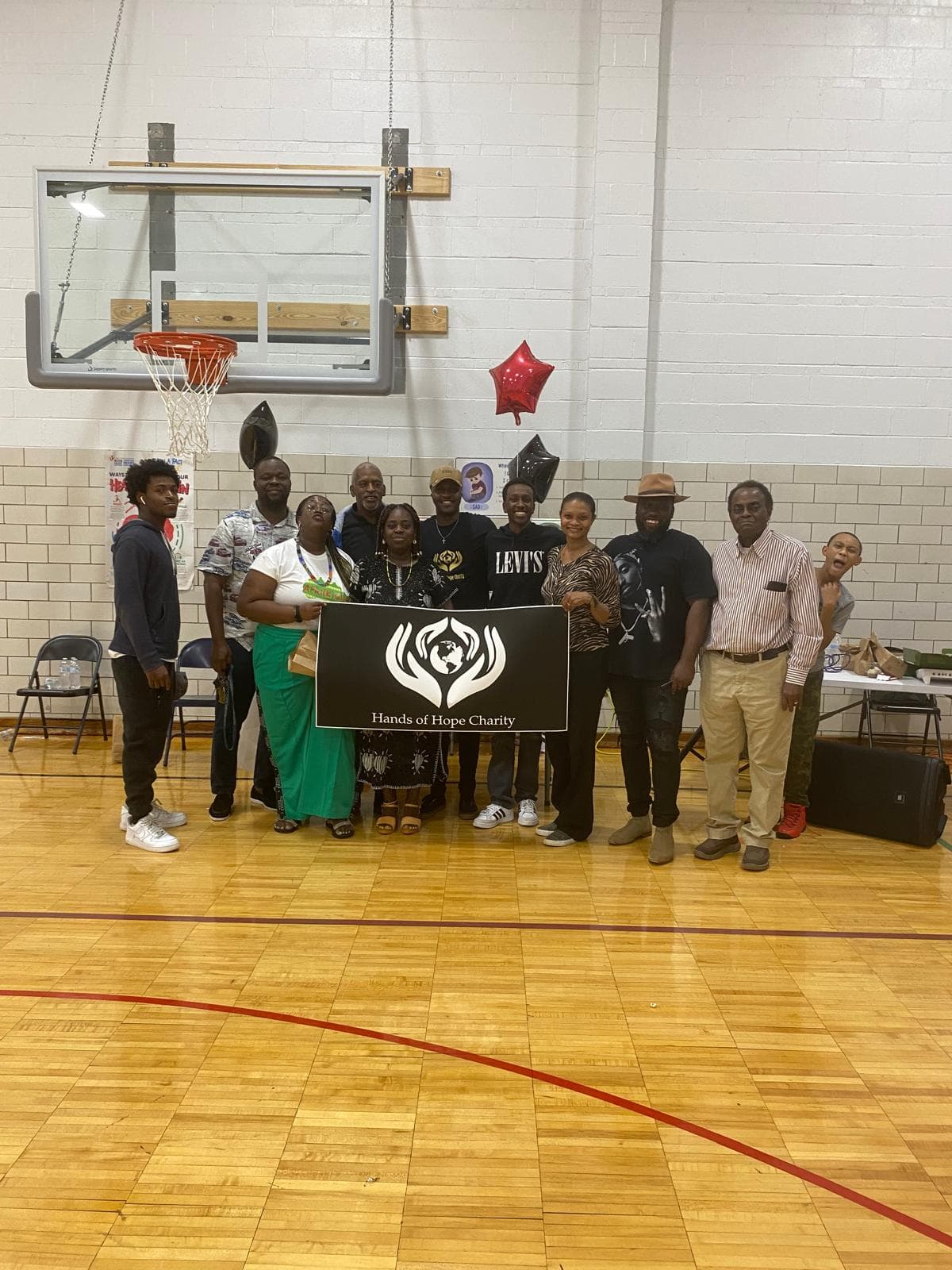
We believe every life has value and every person deserves hope.
We serve with empathy, kindness and respect.
We are honest, ethical and accountable.
Knowledge saves lives and empowers communities.
Everyone deserves dignity, acceptance and support.
We work together with community partners to maximize our impact.
We champion policies and services that improve mental health care and suicide prevention.

A ninety-minute session in a high school staff room ends with every teacher able to name the warning signs — and willing to ask the direct question instead of hoping they are wrong.

Our groups meet weekly: some for people carrying more than they can hold alone, some for families bereaved by suicide. Most people arrive certain they are the only one in the room who feels this way.

A trained volunteer noticed a colleague going quiet, asked plainly, stayed on the phone and walked him to the appointment. Two years on, he trains other people to do the same.
“I thought asking for help would prove something was wrong with me. Somebody sat with me until I made the call, and then came to the first appointment. I'm still here, and most days that feels ordinary now.”
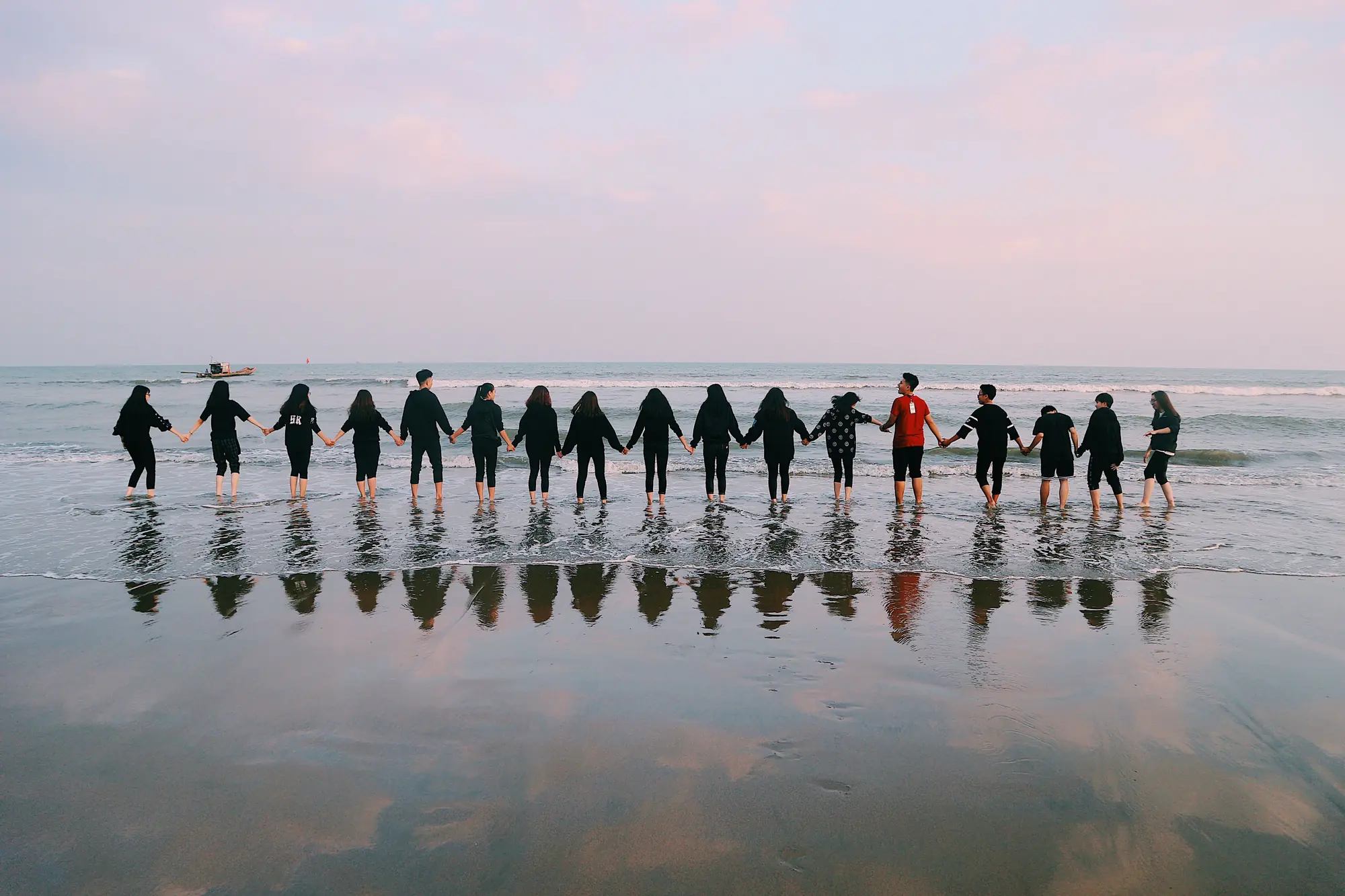
No one should have to hold it on their own.
A single gift, delivered where it is needed most.
Zeffy is free for charities like ours, so every dollar of your gift reaches us. They cover the card fees and ask donors for an optional contribution to Zeffy at checkout — it is entirely optional, and you can set it to $0 without affecting your donation.
Hands of Hope is a 501(c)(3) nonprofit. Gifts are tax-deductible to the extent allowed by law.
Practical support that keeps the programs running:
Talk to us before you buy anything — the most useful gift is usually the one we were about to pay for.
Pledge in-kind supportVolunteers are the charity. A few hours a week changes what a community knows how to do.
Prevention happens where people already are — in classrooms, clinics, workplaces and congregations. Choose a way in that fits your community.
Staff training, student assemblies and a prevention curriculum that teaches young people how to notice, ask and refer.
Mental health first aid for teams, referral pathways that actually connect, and policies that make asking for help survivable at work.
Training for the people others turn to first, plus space, volunteers and a standing welcome for our groups.

Prevention is something people do for each other.
Tell us what you can offer and we'll match it to the program that needs exactly that.
We're a real, small team and we like a conversation.
You don't need a diagnosis, a referral or the right words. Tell us what's happening and a real person will get back to you within 72 hours. This form is not monitored around the clock — if you need someone right now, use the lines below.
These lines are staffed around the clock by trained counselors. You can call for yourself, or for someone you're worried about.
This form reaches our team, not a crisis line. If you need someone right now, call or text 988 — don’t wait for a reply.
Only the basics. Skip anything you'd rather say on the phone.
Within 72 hours, a real person from our team — not a machine.
Together. A counselor, a group, a resource — or just someone to talk it through with.
For as long as it's useful to you. You set the pace.
Hands of Hope
Every life has value, and every person deserves hope. Help us make sure no one faces it alone.
Donate now